This release is dear to me. It carries the name of Ghassan Kanafani.
Kanafani was born in Acre in 1936. In 1948, when he was twelve, his family was forced from their home and became refugees, like hundreds of thousands of Palestinians that year. He grew up to become a novelist, journalist, editor, and teacher, and he spent every ounce of his talent telling the story of his people. My people. He wrote Men in the Sun, Returning to Haifa, and The Land of Sad Oranges, stories that still read like they were written this morning.
In 1972, at the age of 36, he was assassinated in Beirut by a car bomb that also killed his seventeen-year-old niece, Lamees.
Many people first met Kanafani through a short interview he gave in 1970 to Australian journalist Richard Carleton. Watch it and you'll see a familiar script, one that amounts to asking: why can't you just accept that a triangle has four sides? The questions were framed to make the occupation sound reasonable, to make the occupied sound unreasonable, and to turn a people's fight for their land into a quarrel between two equal sides.
Kanafani doesn't take the bait. Calmly, precisely, he dismantles each framing. When he is asked why his side won't simply talk peace, he answers that what's being offered isn't peace talks but capitulation. When the conflict is called a "conflict," he names it for what it is: a struggle between the sword and the neck.
That interview is a masterclass in refusing a narrative written by someone else. It exposes the double standard, the careful linguistic gymnastics, and the way colonial media casts itself as the reasonable voice in the room. Decades later, the script hasn't changed much. Neither has the need to see through it.
Kanafani wrote about the oranges of Jaffa, their scent carried into exile as memory and grief. That idea has stayed with me: a smell can hold a homeland, and memory can be a form of resistance. It sits behind both blends in this release.
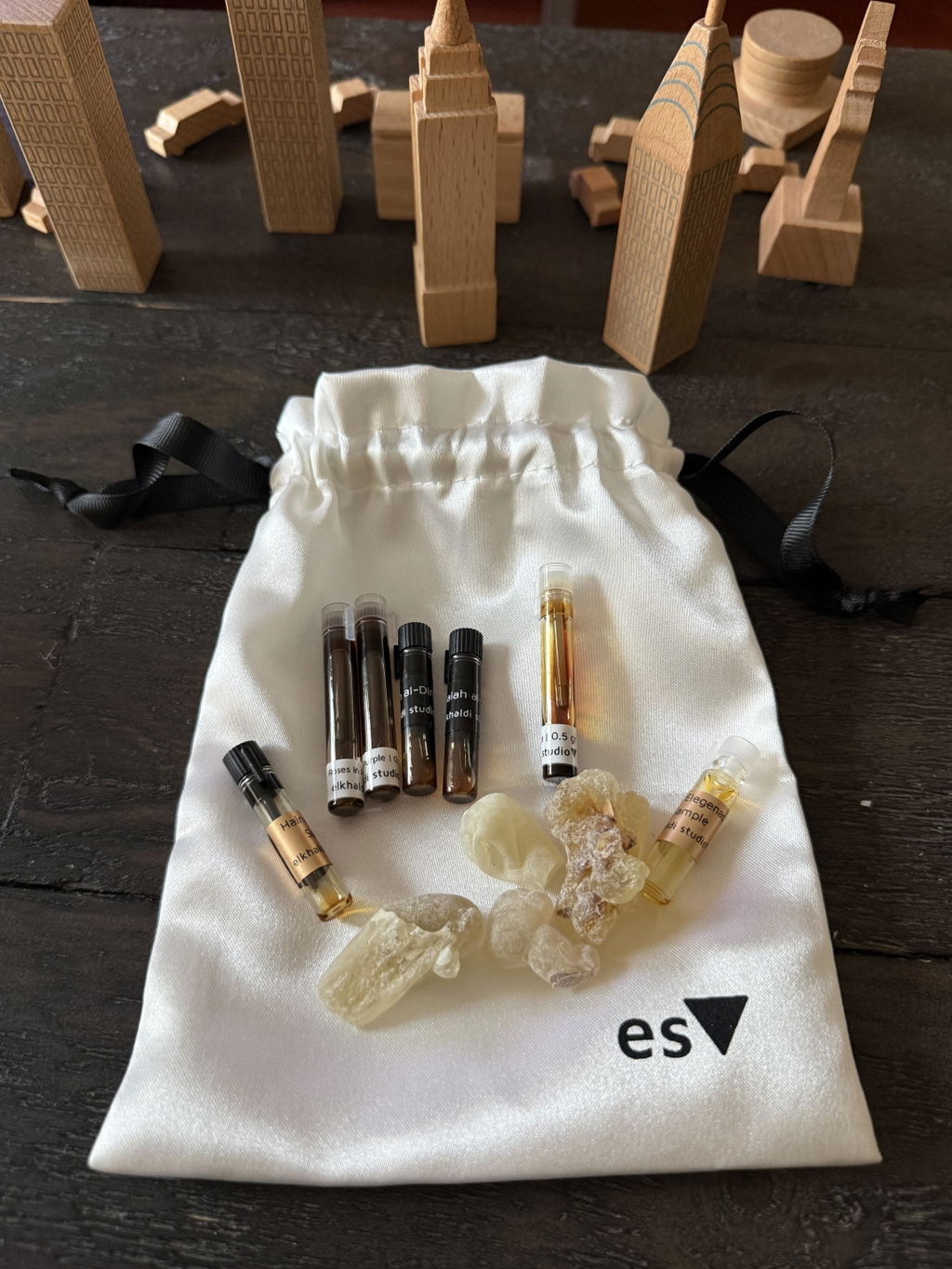
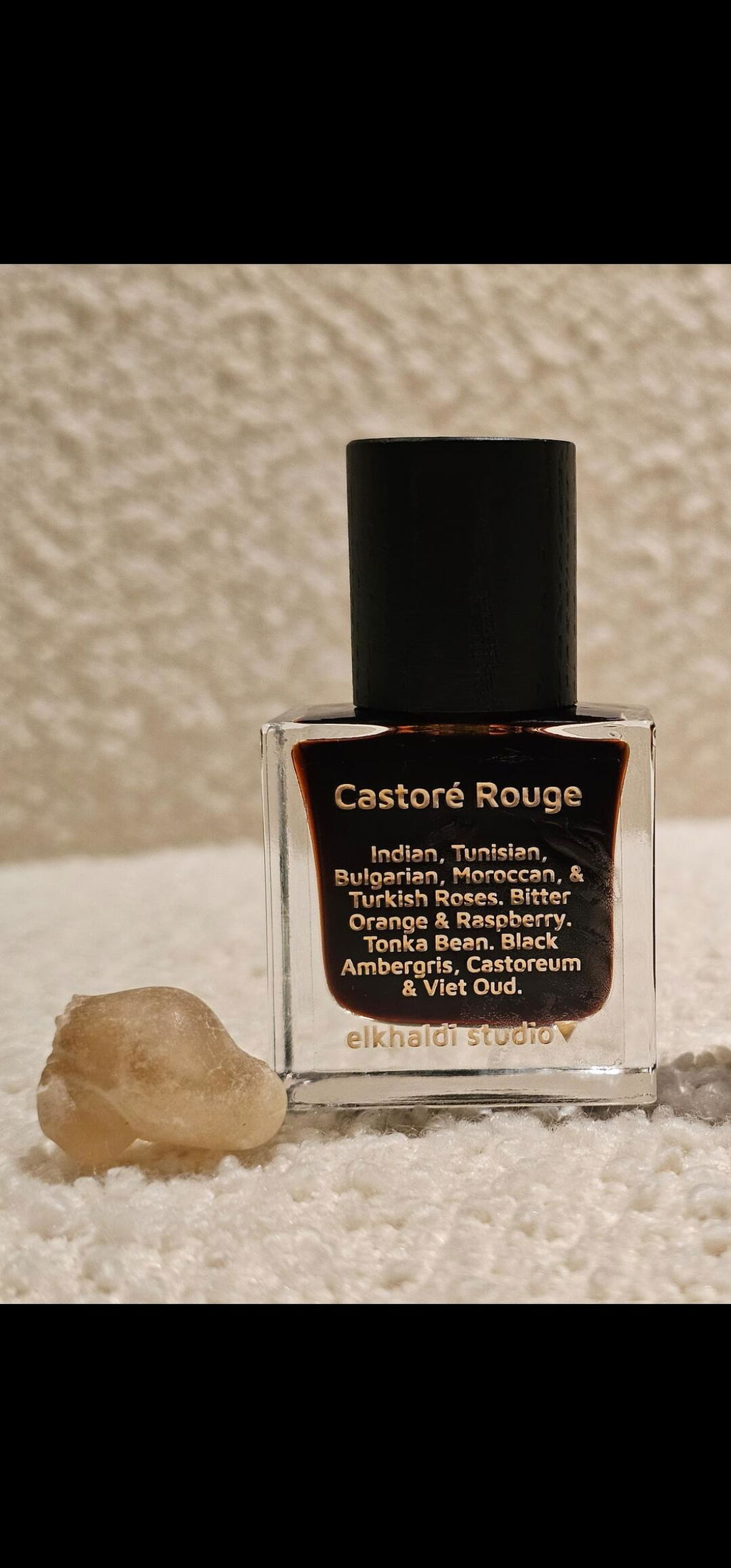
The first is Bateekh, which I dedicated to Sliman Mansour. The watermelon he painted carried the colours of a banned flag. Here, it becomes a fruity watermelon blend, presented in many lights through its oud and rose editions.
The second is Hainan Rose, which returns to the Hainan oud and rose of Qinan Rose. That blend carried the words of my late friend and comrade Tarek Al Ghoussein: "Maher, you learn things when you're ready to. Not when you want to." Coming back to those materials a few blends later felt like the right way to bring him into this release too.
Sliman left a fingerprint of Palestinian resistance in colour. Tarek captured it in light and stillness, in quiet self-portraits. Kanafani expressed it in words. These blends are my attempt to give it scent.
Kanafani gave his words, and ultimately his life, to our story. The least I can do is keep his name alive.