I was a kid who couldn’t stop creating. I filled school books with drawings of TV cartoons, and I could play their themes on a keyboard, both hands, no training, just by ear. I sketched lifelike portraits of my teachers in class, and after hanging out with friends I’d go home and recreate a meal I’d tasted at a tiny street food shop in Sharjah. I’ve always been intrigued by how sound, flavor, or form come together to create experiences.
That interest carried me into architecture, where my graduation project focused on decoding urban patterns and expressing them as abstract designs. I spent months observing how people moved through space, learning how structure can quietly shape how a space is used.
I went on to graduate studies in computational design and generative systems, where I learned how small changes can create wide variations, how complexity can be explored, organized, and refined, and how systems can be modeled from a user-interaction standpoint. I later began doctoral research in human-computer interaction, prototyping tools for parallel editing, and I designed and taught computational design courses at both graduate and undergraduate levels. Later, I dropped out of the PhD program, seeking to implement those frameworks in industry.
My industry work spanned construction, where I led scopes of technology delivery on large-scale projects, and later automotive and aviation, where I built automation, integrations, and custom tooling: PLM workflows, CAD automation, and DevOps pipelines. I built for large teams and small ones, for production operations and for experimentation.
That taught me the value of iteration as a form of optimization: seek clarity and define goals, then build, test, evaluate, and repeat, each pass getting closer to the end state, or at least its neighborhood, and sometimes opening a path to something better.
Back then, I shared some of that work publicly through 3DXAutomation, a blog where I showed how to automate 3DExperience tasks related to geometry rationalization, assembly setup, and template creation using Knowledge-Based Engineering practices, among other topics. I eventually shut it down after realizing that companies that made weapons were among its regular visitors. If you find the stance I take in Art Not Fiction strange, consider this a precursor.
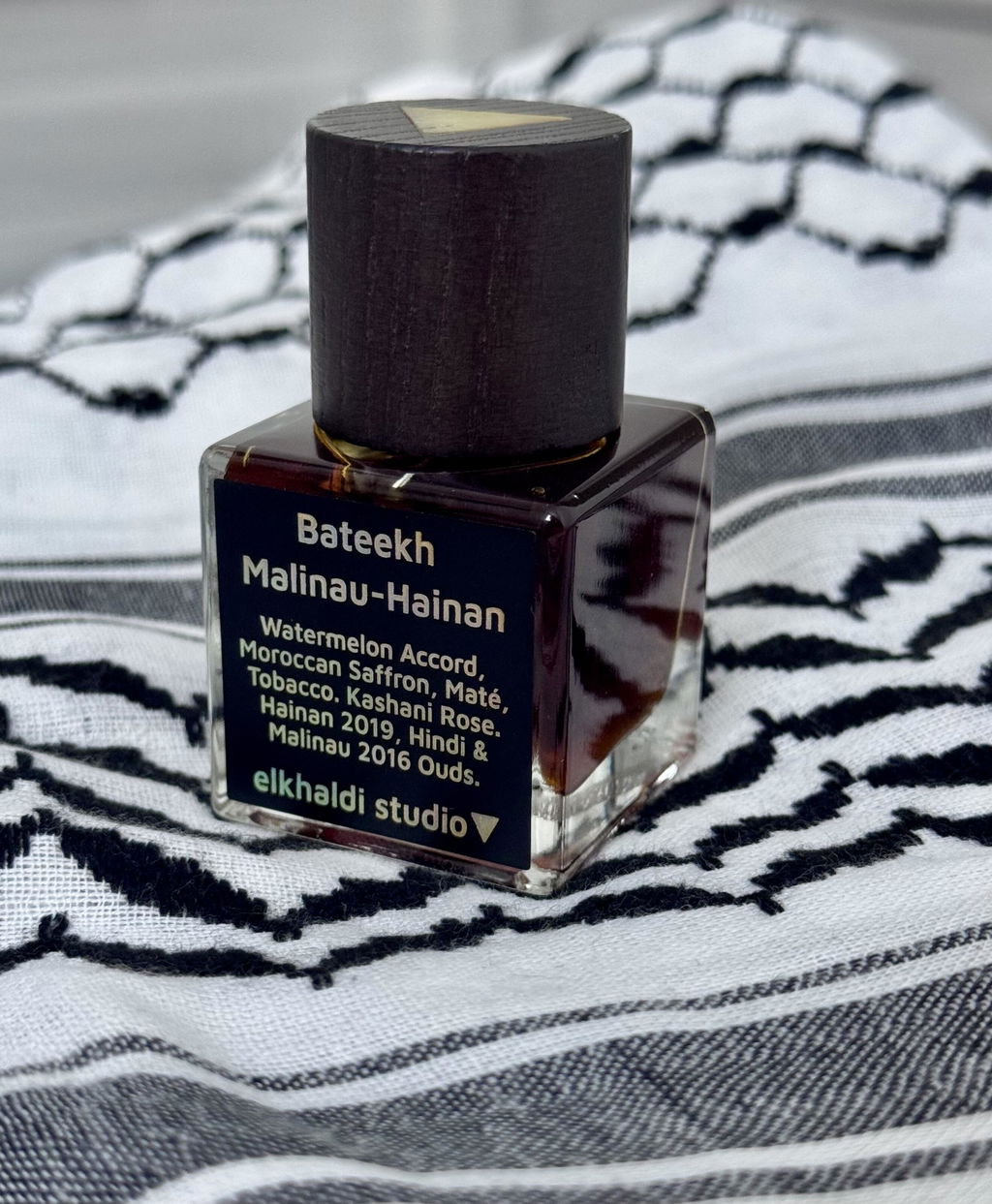
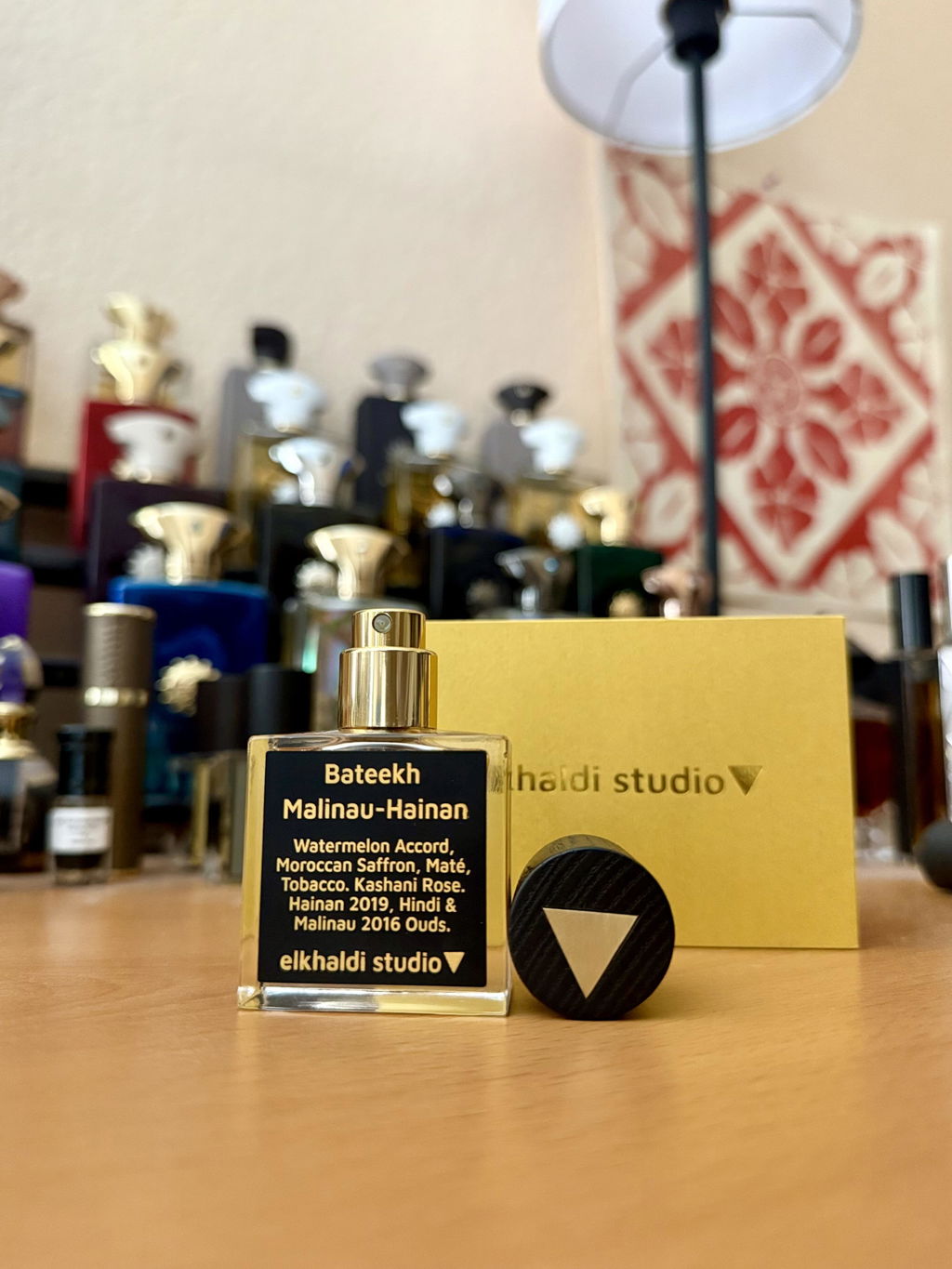
Perfumery came into my life through that same iterative loop. It started as a customer’s curiosity. I was buying artisanal blends and exploring the space, and I kept feeling the urge to change them: to add a note, soften an edge, make something smell the way I thought it should. At first it was occasional. Then it became more often than not. I approached materials, notes, and their interactions as analytically as I did artistically. It was somehow both at once: the engineer and software developer on one side, and on the other, the person venturing into creation, relying on hunch, intuition, and a developing sense of taste. Both were united by the same drive: to pursue a goal and solve whatever stands in its way.
I started sharing what I made with a small circle of friends and collectors, and their response encouraged me to keep going. A couple of blends turned into a few, then into a collection. I began producing on a small scale, and it grew from there, one release at a time.
I view creating perfume as a problem-solving activity. I start with a goal inspired by an idea and explore different ways to reach it, sometimes taking the most direct path, other times experimenting freely, with a subtle influence of search and applied optimization. However, my aim is not to repeat a product.
I think of this approach as intentional improvisation, and it keeps each release artistic and unique. It pushes me to explore rather than fall back on something that already worked, to learn what my own skills are and put them to use in what I do best, and to keep refining a direction that is recognizably mine. A formula can replicate an idea, but it can’t carry the intention and flow behind it, so I cultivate intuition instead: deliberate choices made as a blend takes shape. I wrote more about this in Take On Perfumery.
A blend might serve as an extensible base to be built upon or reinterpreted, or it might be a singular, self-contained composition designed to shift perception, taking the front row in one edition and the back row in another. I’ve tried to bring this modularity directly to the end user through X-editions on my website, a system of mass customization where each person can shape and explore their own experience. Each blend becomes a deliberate exploration within a framework: a balance of design, experimentation, and taste.
Even this website reflects that mindset. I continuously rebuild and refine it, not just for design, but to make it a better reflection of how I work and think.
That’s my story.
Maher